
Somewhere in the remote region, the war ends. In the midst of ruined cities and houses in the streets, in rural hamlets, everywhere where people still live, are children who have lost their homes and parents. Abandoned, hungry, and in rags, defenseless and humiliated, they wander through the world. Hunger drives them. Little streams of orphans merge into a river which rushes forward and submerges everything in its path. The children do not know any feeling; they know only the world of their enemies. They fight, steal, struggle for a mouthful of food, and violence is merely a means to get it. A gang led by Cahoun finds a refuge in an abandoned castle and encounters an old composer who has voluntarily retired into solitude from a world of hatred, treason, and crime. How can they find a common ground, how can they become mutual friends The castle becomes their hiding place but possibly it will also be their first home which they may organize and must defend. But even for this, the price will be very high. To this simple story, the journalist, writer, poet, scriptwriter, movie director, and film theoretician Béla Balázs applied many years of experience. He and the director Géza Radványi created a work which opened a new postwar chapter in Hungarian film. Surprisingly, this film has not lost any of its impact over the years, especially on a profound philosophical level. That is to say, it is not merely a movie about war; it is not important in what location and in what period of time it takes place. It is a story outside of time about the joyless fate of children who pay dearly for the cruel war games of adults. At the time it was premiered, the movie was enthusiastically received by the critics. The main roles were taken by streetwise boys of a children's group who created their roles improvisationally in close contact with a few professional actors, and in the children's acting their own fresh experience of war's turmoil appears to be reflected. At the same time, their performance fits admirably into the mosaic of a very complex movie language. Balázs's influence revealed itself, above all, in the introductory sequences an air raid on an amusement park, seen in a montage of dramatic situations evoking the last spasms of war, where, undoubtedly, we discern the influence of classical Soviet cinematography. Shooting, the boy's escape, the locomotive's wheels, the shadows of soldiers with submachine guns, the sound of a whistle—the images are linked together in abrupt sequences in which varying shots and expressive sharp sounds are emphasized. A perfectly planned screenplay avoided all elements of sentimentality, time-worn stereotypes of wronged children, romanticism and cheap simplification. The authors succeeded in bridging the perilous dramatic abyss of the metamorphosis of a children's community. Their telling of the story (the scene of pillaging, the assault on the castle, etc) independently introduced some neorealist elements which, at that time, …
选集 1
相关推荐
- 01
 剧情片
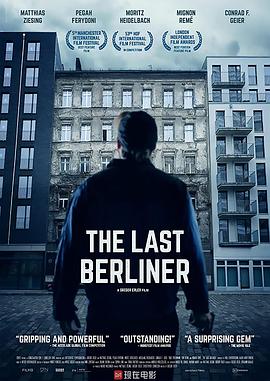
剧情片最后一个柏林人
柏林一个时髦街区的最后一栋老建筑正在被腾空。托比亚斯的父亲正是其中一名房客,因拒绝搬出与地产商代表罗伯特产生争执,被无视并强迫的父亲在气愤和绝望…
- 02
 剧情片
剧情片画皮师2
画皮师是随天地而生的古老职业,历代画皮师仅凭一只神奇的画笔行走世间,可为人重塑筋骨,易容改貌。 这一代的画皮师方祭本该在几十年前死去,却因他师父…
- 03
 剧情片
剧情片画皮师
在天地之间,数千年的沧海桑田孕育了无数神秘的族群。妖魔为了满足自身贪欲,侵蚀人类世界,而在这动荡的环境中,部分人类诞生了拥有特殊能力的存在。其中…
- 04
 剧情片
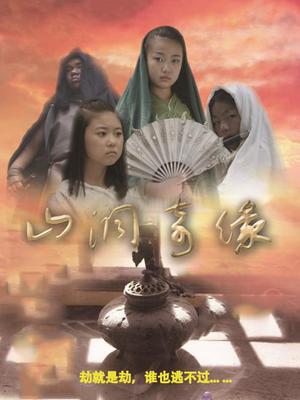
剧情片山洞奇缘
中国首部少儿奇幻电影《山洞奇缘》
- 05
 剧情片
剧情片荒山野店
乞巧节雨夜,婉秋一行人进山团建,偶遇神秘面具怪人,突逢暴雨封山,闺蜜离奇失踪。众人误入深山诡异黑店,狠毒的老板娘与凶残管家是人贩团伙,暗藏地下密…
- 06
 剧情片
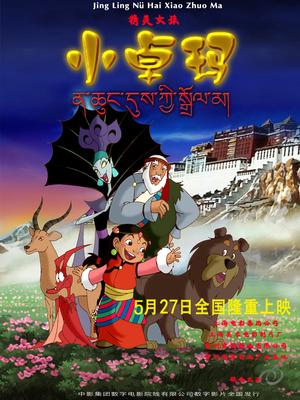
剧情片精灵女孩小卓玛
故事发生在美丽的西藏高原,小卓玛为了保护高原的精灵藏羚羊和女妖毒蜘蛛、绿壁虎、红蝙蝠一伙坏蛋展开斗争,经受种种严峻的考验,找到了美丽无比的梦之湖…